Large flat & ballasted roofs
Review claim questions involving substantial roof losses, repair scopes, and damage beneath gravel ballast.
Explore gravel-ballasted roof claims 521 Loves Park Drive
Loves Park, IL 61111
(815) 246-2109
support@writeitrightpa.com

Commercial roof & property claim representation
Public adjusting for $500,000+ commercial property losses, including large flat and low-slope roofs in Illinois and Wisconsin.
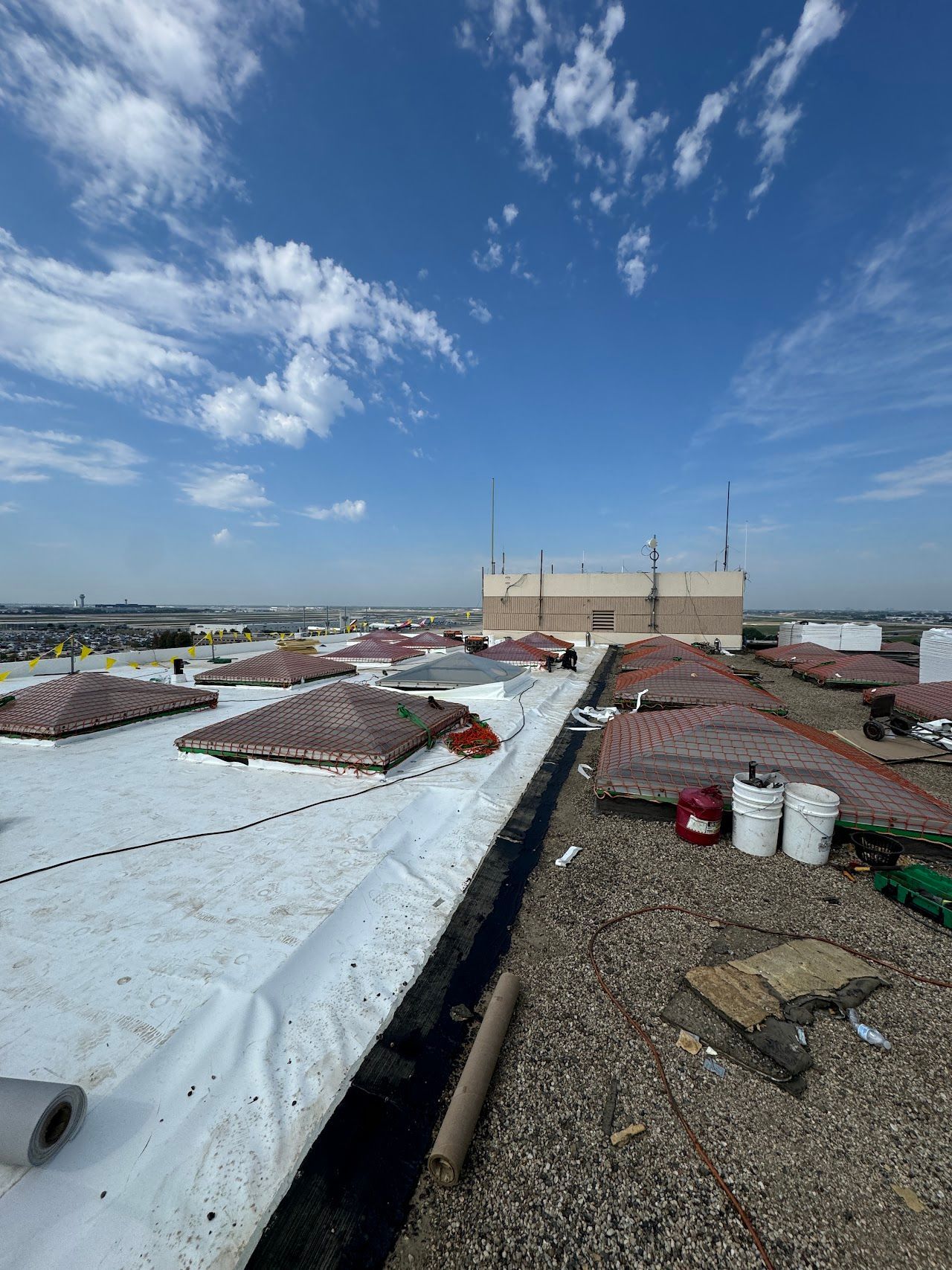
Roof systems & property teams
Find guidance for your building, roof system, and role in the claim.
Review claim questions involving substantial roof losses, repair scopes, and damage beneath gravel ballast.
Explore gravel-ballasted roof claimsOrganize property and roof claim documentation for the authorized representatives coordinating a campus loss.
Explore school district claim supportCoordinate claim information for owners and authorized managers across buildings and portfolios.
Explore property management claim supportRepresenting the property owner
Large losses can involve multiple buildings, different repair trades, extensive documentation, and questions about the insurer’s estimate. Managing the claim adds another responsibility for an owner already dealing with damaged property.
Write It Right helps investigate the damage, document repair needs, and communicate the supported claim to the insurance company. We work with the owner to understand the property, the available records, and the issues that need attention.
Large flat & low-slope roofs
A large roof loss needs a clear record of the affected areas, the roof assembly, and the repair work being claimed. Write It Right helps commercial property owners organize that record and address questions about scope and valuation.
Start with the building use, approximate roof area, known roof system, date of the event, and reported damage. If the roof type is unknown, we can begin with the information you have.
Bring existing inspection findings, photos, repair proposals, maintenance records, and insurer correspondence. Clear records help separate documented damage from questions that need further investigation.
Identify which roof areas and repair items are included, what remains disputed, and what supporting information is available. Additional technical input can be discussed when the loss calls for it.
Commercial low-slope roofs may include TPO, PVC, EPDM, modified bitumen, or built-up roofing. Tell us the system if you know it; a roof type alone does not establish the cause of damage or insurance coverage.
Where a review can help
A substantial repair scope may cross roofing, exterior, interior, and other building components. The claim record needs to reflect the damage that is documented.
Multiple buildings, units, and shared areas can create a large volume of damage records and repair estimates that need to be organized.
If the insurer’s estimate raises questions, a review can help identify the information and documentation needed to discuss the differences.
After a storm
If your warehouse, industrial building, retail property, or multifamily property has reported roof damage after a storm, the next claim conversation should start with the property facts and the records already available.
Share the reported event date, roof system if known, affected buildings, and existing inspection findings. Photos and reports should make it clear which roof area each observation relates to.
Describe the reported damage, when it was first observed, and any temporary work already completed. Include existing roof photos, repair proposals, and communication from the insurer.
If water entry or interior damage was reported, keep those observations connected to the relevant building and roof area. Tell us whether the insurer has reviewed both parts of the reported loss.
A storm report, visible mark, or leak does not by itself establish the cause or extent of covered damage. Write It Right helps investigate the reported loss, organize the supporting records, and identify questions that need further review.
When estimates differ
Compare the findings and proposed work for the same roof areas. Ask each party to explain which conditions support its recommendation, what was inspected, and what remains unknown. A difference in total price alone does not explain whether repair or replacement is appropriate.
A contractor’s proposal addresses proposed work; the insurer’s position also addresses the claim under the policy. Keep questions about the physical repair scope separate from questions about coverage and payment. A replacement recommendation does not automatically establish that replacement is covered.
Use both estimates, the inspection reports, and the insurer’s written explanation. Mark each difference as agreed, disputed, or not yet documented. See where to find each part of an estimate. For multiple buildings or roof areas, use the commercial claim workbook to connect locations, evidence, submissions and open questions.
Match building names, roof-section labels, dimensions, and units of measure. Check whether a proposal describes the entire roof or only selected areas. Connect every disputed quantity to the relevant location.
Compare the specified membrane or roofing system, attachment method, insulation, cover board, and other layers where relevant. Identify which details are confirmed by records or inspection and which are assumptions.
Link the proposed work to dated, labeled photographs and inspection findings. Note what could not be accessed or observed. Ask what additional information would resolve a specific uncertainty.
Compare removal, disposal, access, temporary protection, flashings, penetrations, and tie-ins where applicable. For a ballasted roof, ask how stone handling and reinstatement are addressed. Each item needs a reason tied to the actual work.
Distinguish a missing work item from a different quantity or unit price. Check allowances and exclusions. Ask for the basis of disputed measurements, labor, materials, or specialist work.
Compare the proposed repair cost separately from the amount payable now. Identify any deductible, depreciation, prior payment, or other adjustment shown by the insurer, and request an explanation of unclear amounts.
For each unresolved item, record the roof area, proposed work, each party’s position, supporting record, and the next question to answer. This creates a focused agenda for the claim conversation.
No signup is needed for the worksheet. Start with a brief inquiry; detailed records can be discussed during follow-up.
If the insurer attributes damage to wear and tear · Warehouse TPO roof claims
Write It Right helps organize the evidence and identify questions about the claim. Investigation methods, repair recommendations, and coverage depend on the property, findings, and policy.
Our working process
Start with the loss history, property information, current claim status, and an investigation of the reported damage.
Forensic inspectionsOrganize findings, photos, repair scopes, estimates, and relevant supporting information into a clear claim record.
Documentation & reportingPresent the documented claim, address questions, and discuss differences in scope and valuation with the insurer.
Claim negotiationWhen a claim calls for additional technical input, the need for specialists can be discussed as part of the review. The services appropriate to a particular loss depend on the property, damage, and claim circumstances.
Large-loss review checklist
Gather what is already available. You do not need every item before making an inquiry, and you do not need to upload sensitive documents to the initial form.
Get the claim-review worksheet (PDF)
No signup. Compare disputed work items and record the effects on your property and operations.
Uncertain about the size of the loss? Describe the damage and select “Not sure yet.”
Before you decide
Yes. Share the property location, date of the reported event, roof information, and any inspection findings or insurer estimate already available. We can discuss what further review may be appropriate for your commercial roof claim.
Those details are useful if available, but you can request a review without them. Tell us whether the roof is flat or low-slope, the number of buildings involved, and your best estimate of the damage amount.
Yes. Our large-loss focus is property damage estimated at $500,000 or more, including commercial and multifamily properties. The review form also accepts an uncertain estimate so we can discuss the situation.
Yes. Let us know the current claim status and what questions you have about the damage scope or estimate. We can discuss whether a review is appropriate.
No. Each claim depends on its facts, documentation, policy terms, and circumstances. Our work focuses on investigating, documenting, and presenting the property owner’s claim.
Ask us to explain the proposed services, fee structure, and any applicable costs before deciding to engage Write It Right. A website inquiry is an initial conversation, not an agreement to representation.
Guidance for your property
Insurer proposes repairs while your contractor recommends replacement? Learn what records help explain the scope disagreement.
Warehouse TPO roof insurance claimsOrganize roof and property damage across multiple buildings, with a clear record of what is included or disputed.
Apartment-complex hail insurance claimsBeyond roof losses
Find guidance for organizing building, contents, restoration, and interruption records after a major fire.
Read the commercial fire claim guideBrowse roof systems, multifamily properties, school districts, and disputed claim topics in one place.
Explore the resource libraryYour next step
Tell us the property type, estimated damage range, and claim status. We will use those details to begin the conversation.